

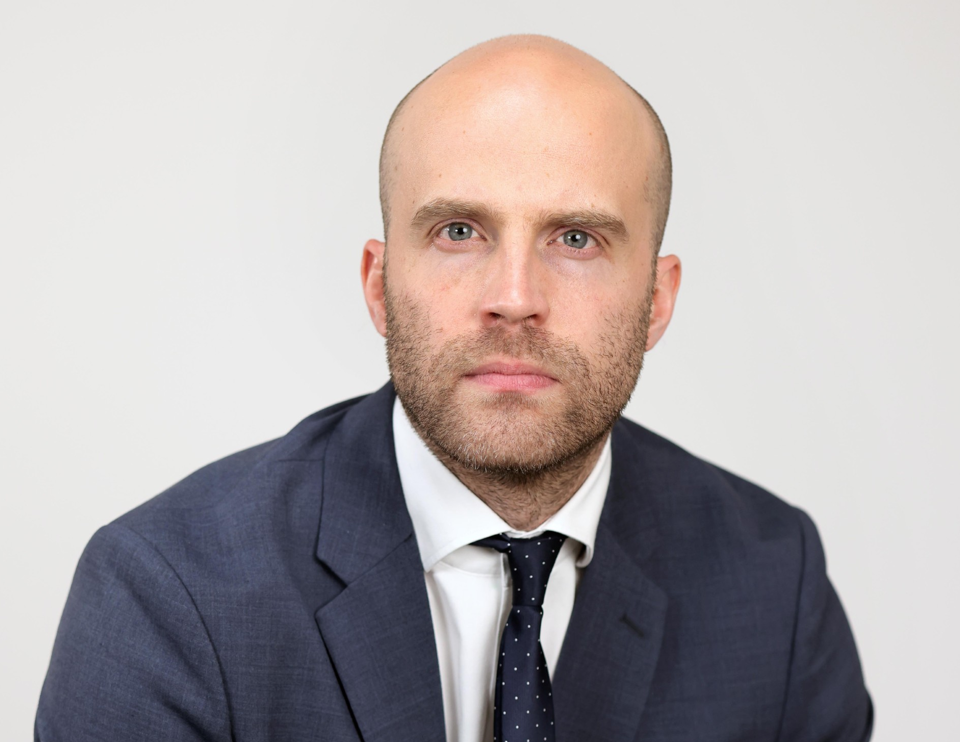
Daily Express investigations editor Zak Garner-Purkis says the “excitement of being at the forefront of a moment of real change in the industry” keeps him motivated.
Purkis was named Reach journalist of the year in 2025 for an investigation into Albanian drug gangs and also nominated for a British Journalism Award for work which included: “The Russian billionaires hiring £180k UK nannies making a mockery of sanctions on Putin“.
Before joining the Daily Express, Garner-Purkis was chief reporter at MyLondon and he has also worked as head of content at Construction News and written freelance pieces for the Financial Times, BBC and ITV News.
What’s been a big turning point/breakthrough moment for you?
In 2025, we proved you can have a YouTube hit with an old-school investigation based on archive research.
We needed grooming gangs whistleblower detective Maggie Oliver to give her opinion on whether cases we’d found in London matched her experiences in the North. By filming her live reactions to each example with a structure that mirrored a police interview (like you see in 24 Hours in Police Custody or Line of Duty), we turned a text-heavy story into a powerful video. The result was hugely successful and paved the way for us to become one of Britain’s strongest news publishers on YouTube.
What’s currently keeping you up at night?
There are three or four massive stories that I know are true but don’t yet have the evidence to prove. In some cases, I’ve had the information for years and poured days into searching for more. It still drives me crazy, especially when I see the smirking faces of the people implicated. I’m constantly going over new strategies and searching for fresh routes of attack.
What gets you out of bed in the morning?
The excitement of being at the forefront of a moment of real change in the industry. Being a journalist-creator brings greater opportunities for a tabloid investigations editor than have ever existed before.
I also love the pressure of delivering the next big exclusive. Whether that’s leaving at 4am to hit the streets and uncover another migrant delivery driver scandal or locking myself in a dark room to scour decade-old reports for evidence of a historical cover-up.
How are things going right now, what’s working?
Episodes of our regular YouTube show, Express Report, have become the anchor for multi-platform investigative stories. The video version typically premieres on Sunday morning and racks up around 200,000 views, paving the way for a series of online stories that drive both page views and subscriptions. These, in turn, form the basis of an impactful print splash or spread.
The key has been thinking video-first. Rather than treating video as a promotional extra, we build every investigation around the strongest possible visual narrative. Once that’s mastered, the online stories, social content and print coverage naturally reinforce one another rather than competing for attention.
What has been your proudest achievement?
Sadiq Khan and the Met Police both denied grooming gangs existed in London before our investigation challenged that narrative. Our reporting helped bring London into the national conversation, and it is difficult to imagine the subsequent national inquiry or the reassessment of around 9,000 cases happening in the same way without that work.
Biggest mistake, and what did you learn from it?
I’ve occasionally been drawn into arrangements where I didn’t have enough control. In a world where collaborative content creation is becoming increasingly important, it’s vital not to let other people use you or your story.
Who or what inspires you and why?
Our YouTube show Express Report is an attempt to reboot the investigative TV genre of the 1990s for a new generation. We’re bringing back Roger Cook-style in-your-face journalism inspired by programmes like Tonight, World in Action, Panorama and Dateline, while packaging it in a style that takes just as much inspiration from YouTube creators like Tommy G, Tyler Oliveira and Coffeezilla.
What is your work mantra?
Stay humble.
I see so many journalists lose themselves in self-importance after spending too much time around elites. While the best reporters often have a healthy dose of confidence, you should never forget that you’re only as good as your last story and have to earn the next one.
I think the fact I’ve always worked for publications that are often disrespected has helped. It means I always feel like I have something to prove.
Email pged@pressgazette.co.uk to point out mistakes, provide story tips or send in a letter for publication on our "Letters Page" blog
